Table of Contents

Yoga has become extremely popular, but many beginners still struggle to understand how to start properly. There are countless poses, breathing methods, and styles that can make the practice confusing. Many new practitioners jump into routines without learning the basics, which leads to frustration, slow progress, or even injuries. Some people assume they need a lot of expensive equipment to begin yoga, but in reality, basic clothing and a simple mat are usually enough for most starting sessions. The first steps into yoga can feel overwhelming, but learning how to approach the practice can make a huge difference in results.
Common challenges beginners face
One of the biggest challenges is that beginners often try advanced poses too early. They see experienced practitioners performing complex movements and feel pressured to imitate them. This creates unnecessary strain on the muscles and joints. Another challenge is inconsistency. People practice a few times and expect immediate results, but yoga requires both patience and regular effort. Many beginners do not understand the connection between breathing and posture, which reduces the benefits of their sessions. Mental distractions are also common, as people tend to check their phones or lose focus during practice.
Why beginners quit too early
A lot of beginners stop practicing yoga because they think they are not flexible enough. They compare themselves to others and believe yoga is only for people who can bend easily. Another reason people quit is the lack of proper guidance. Practicing alone without basic knowledge can make yoga seem complicated. Some beginners also push themselves too hard, leading to soreness and discouragement. It takes time to develop balance, posture stability, and proper breathing techniques. Without early wins, many lose motivation.
Basic things beginners should know before starting
Before starting yoga, beginners should understand that it is a gradual journey. The body adapts slowly, and consistency is more important than intensity. They should also know that yoga is not only physical; it combines movement, breathing, and mindfulness. Another thing to understand is that progress varies from person to person. Some people gain flexibility faster, while others improve balance or strength first. Understanding these basic ideas helps beginners approach yoga with realistic expectations.
Simple equipment suitable for beginners
Beginners do not need expensive gear. A simple mat, comfortable clothing, and maybe a bottle of water are enough to start. Some people like to use blocks or straps, but these are optional. Many individuals waste money buying advanced equipment without knowing how to use it. At the initial stage, it is better to focus on learning movements rather than collecting accessories. Over time, practitioners may add more supportive tools if needed.
Warmups beginners should not skip
Before starting any yoga session, beginners should warm up properly. Warmups help activate muscles, prepare the joints, and reduce the risk of strain. Ignoring warmups is one of the biggest mistakes new practitioners make. Some simple warmup ideas include gentle neck rotations, shoulder movement, wrist loosening, hip circles, light stretching, and basic breathing exercises. These small activities can significantly improve performance and comfort during yoga sessions.
Benefits of yoga for beginners
Yoga offers several benefits to beginners, including improved flexibility, better posture, enhanced balance, stronger muscles, and improved breathing control. It also provides mental benefits such as stress reduction, improved concentration, and increased relaxation. Beginners often notice that regular yoga practice helps them sleep better and feel calmer throughout the day. The combination of physical and mental improvement makes yoga a well-rounded choice for overall wellness.
Common mistakes beginners make
Beginners often breathe incorrectly by holding their breath during difficult poses. Many new practitioners skip cool-down or relaxation time at the end of the session. Some compare themselves to others, which creates pressure and frustration. Others move too fast and ignore alignment, which leads to long-term issues. Another common mistake is practicing without understanding limits, causing strain in the lower back, knees, or wrists. Recognizing these mistakes early can help beginners avoid unnecessary discomfort.
Mistakes related to breathing
Many beginners breathe too fast, too shallow, or inconsistently. This reduces energy and stability.
Misunderstanding breath control
Beginners sometimes think deep breathing means forcing air into the lungs. Instead, breath control should be natural and smooth.
Mistakes related to posture
Incorrect posture puts stress on the joints and muscles.
Poor spine alignment
Beginners often round their back or overstretch, leading to discomfort.
Locking the knees
This creates unnecessary strain and reduces balance.
Tips for safe practice
Beginners should start slowly and follow guided instructions whenever possible. It is important to stay aware of body signals and stop if something feels painful. Hydration is important, especially in warm environments. Beginners should also practice on a non-slippery surface to avoid falls. Practicing near a wall can help with balance during standing poses. Consistency is key, and even small daily sessions are more effective than long sessions once a week.
Simple yoga poses for beginners
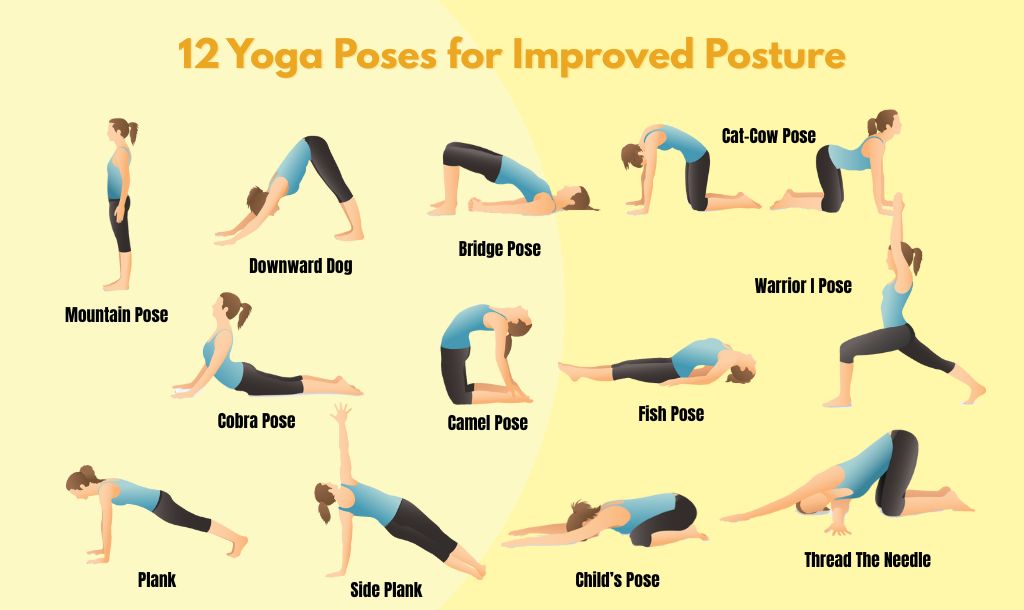
Some basic poses suitable for beginners include mountain pose, child’s pose, cat-cow pose, downward-facing dog, cobra pose, seated forward bend, and bridge pose. These poses help beginners develop core strength, improve flexibility, and learn proper breathing alignment. These basic movements create a strong foundation for more advanced postures in the future.
Poses that improve flexibility
Forward bends, hip openers, and gentle twists help improve flexibility.
Poses that help build strength
Plank variations, chair pose, and bridge pose help strengthen muscles over time.
Breathing techniques beginners should learn
Proper breathing helps improve posture, reduce stress, and support movement. Beginners can practice simple breathing techniques such as diaphragmatic breathing, box breathing, and alternate nostril breathing. These methods help increase awareness, calm the mind, and improve focus during practice. Breathing should always be slow, deep, and steady rather than fast or shallow
Advantages of practicing yoga at home
Practicing at home gives beginners flexibility in timing and comfort. It is easier to follow short routines and avoid the pressure of performing in front of others. Home practice also allows beginners to experiment with different styles at their own pace. However, beginners should still follow guided videos or instructors to avoid developing incorrect habits.
Why beginners should consider joining a class
Joining a class provides professional guidance, structure, and feedback. Instructors can correct posture, suggest modifications, and ensure safety. The group environment can increase motivation and consistency. Classes also expose beginners to different yoga styles, helping them find what suits them best. Even occasional classes combined with home practice can significantly improve skill development
Relaxation and recovery
Relaxation is an essential part of yoga, especially for beginners who tend to skip it. The relaxation phase helps the body absorb the benefits of practice, release tension, and calm the mind. It also supports long-term progress by preventing fatigue and enhancing mental clarity. Beginners should spend at least a few minutes relaxing at the end of every session.
Mistakes to avoid as a beginner
Beginners should avoid pushing too hard, ignoring pain signals, practicing on uneven surfaces, holding their breath, and skipping warmups. They should avoid copying advanced poses seen online and should not compare their progress with others. It is important not to rush and instead build a solid foundation slowly.
List of things beginners should track
- Progress in flexibility
- Balance improvements
- Breathing control
- Consistency in practice
- Comfort level in different poses
- Posture alignment awareness
Frequently asked questions
What is the best time for beginners to practice yoga
Any time of the day works, but beginners often find mornings more energizing and evenings more relaxing. The key is consistency rather than timing.
How often should beginners practice
Practicing three to five times a week is ideal. Even short sessions of 10 to 15 minutes can bring visible improvements if done regularly.
Do beginners need to be flexible to start yoga
No, flexibility develops over time. Yoga is suitable for all body types, and improvement comes gradually with regular practice.
Is yoga good for stress
Yes, yoga helps reduce stress through breathing techniques, gentle movement, and relaxation exercises.
Do beginners need a teacher
Not necessarily, but guidance helps prevent mistakes and ensures safe progress. Beginners can combine online videos with occasional classes.
Can beginners lose weight through yoga
Yes, yoga supports weight loss by improving metabolism, building muscle, and reducing stress, which can affect eating habits.
Leave a Reply